Need Antibiotics? Read This First.
There was a time not too long ago that getting knocked down by a fever, sore throat, stuffy head, or other cold or flu-like symptoms called for a trip to the doctor for an almost guaranteed prescription for antibiotics. Now we (mostly) know better.
Antibiotics — once believed by the medical community to be a cure-all — actually don’t treat the common cold, flu, nor a lot of other things that can make us feel crummy, says Bill Rawls, M.D., medical director of Vital Plan. “Those illnesses are usually caused by viruses; antibiotics only effectively attack acute bacterial infections like those behind strep throat, bronchitis, a sinus infection, or pneumonia,” explains Dr. Rawls. “But even with bacterial infections, your immune system is designed to protect you — it’s only when your immune system is struggling or weakened that you really need antibiotics.”
Unfortunately, antibiotics continue to be both misused and overused, Dr. Rawls says. And whether or not they’re the appropriate treatment, the drugs can also come with some serious side effects.
What Happens When You Take Antibiotics
Antibiotics, as the name suggests, kill bacteria — but they’re equal-opportunity killers. Not only do they take out the bad guys like Streptococcus pyogenes (strep throat) or mycoplasma or streptococcus pneumoniae (viral upper respiratory infections), they also kill the good guys that live in your GI tract, vagina, or elsewhere. And these bacteria play a crucial positive role in immunity, digestion, and many other functions.
Those beneficial strains help maintain the delicate but crucial balance of microbes that keep yeast and pathogenic bacteria growth in check. “Even a normal, five-day course of antibiotics can wipe out entire species of good bacteria in your gut,” Dr. Rawls says. Side effects typically include upset stomach, a yeast infection, or diarrhea, which about a third of people experience.
In encouraging news, a small new study published in the journal Nature Microbiology found that participants’ microbiomes were nearly back to baseline three months after a short-term broad spectrum course of antibiotics. Even so, disrupting the microbial balance in your gut with antibiotics could have severe and lasting effects. For example, antibiotic use can trigger a potentially dangerous infection of C. difficile, a difficult-to-treat bacteria that causes persistent and severe diarrhea and inflammation of the GI tract.
C. diff is incredibly common, and most people have it already living inside them. In healthy people, their good bacteria keep C. diff from gaining a foothold and wreaking havoc. However, when antibiotics come through and leave behind fewer good guys to police the bad ones, the harmful bacteria are able to take over and make you very sick.
Dr. Rawls also suspects there may be other long-term risks with wiping out good bacteria in the gut, which experts now know play a crucial role in general immunity and health. “We don’t know what can happen when you wipe out whole species,” he says. “It’s been a big experiment over the last 75 years, and it could be one of the factors contributing to our very high rates of chronic illness.”
All that said, while it’s crucial to avoid popping antibiotics unnecessarily, don’t avoid them if you truly need antibiotics for bacterial infections — which tend to be more common this time of year, when illnesses spread easily. The good news is that there are steps you can take now, before you get sick, as well as during and after a course of antibiotic treatment to help lessen the side effects.
Here are six ways to protect yourself, including how to shore up your natural defenses and microbiome to keep you from needing the medication in the first place.
1. Try immune-boosting herbs.

robust, healthy immune system naturally fights the harmful bacteria and viruses you’re likely to come in contact with before you feel their sickening effects. But even if you do become ill enough to need antibiotics, building up or starting with a healthy immune system is one of the most important and effective ways to feel better faster, Dr. Rawls says.
Along with getting plenty of rest and eating a healthy diet, herbs are one of the best ways to support your immune system. Herbs can help lessen the severity of an illness or reduce the length of time it takes for you to recover, says Dr. Rawls. Using herbal therapy in combination with antibiotics may also improve the drug’s efficacy or help reduce the prevalence of drug-resistant bacteria, according to findings in Current Topics in Medicinal Chemistry and elsewhere.
“Herbs have antibacterial properties, but they don’t disrupt the good flora in your gut,” Dr. Rawls says. “We don’t know exactly why, but it probably has to do with signaling.” In other words, herbs likely help modulate or improve signaling or communication between immune cells and other cells that is being disrupted by bacteria. Dr. Rawls recommends andrographis, berberine, garlic, reishi mushroom, and Chinese skullcap, all of which promote microbiome balance and help support healthy flora.
2. Eat plenty of vegetables, and avoid excess sugar and starch.

“If your body is fighting something, you can help it by providing good nutrition it can use as energy,” Dr. Rawls says. Fresh produce is the best place to focus your efforts. It contains fiber, antioxidants, and other phytonutrients that fuel and aid your immune system.
Plant foods — especially vegetables — also feed and bolster the good bacteria in your gut. They work as prebiotics, meaning they provide a veritable buffet of nutrients that your beneficial gut flora need to keep up the good fight against the bad guys. Meanwhile, their fiber and water content helps move waste through your bowels, taking harmful bacteria with it.
On the other hand, overloading your system with too much low-quality energy in the form of sugar and starch can feed the bad bacteria or viruses plus damage cell mitochondria, Dr. Rawls says. “Excess carbohydrates drive the energy-generating machinery inside mitochondria too hard, which generates free radicals that damage the mitochondria and other cell structures, including DNA.”
Indeed, research in the Journal of Traditional Chinese Medical Sciences even shows that a diet high in sugar (and meat) and low in vegetables is linked to increased illnesses like respiratory infections. So, fill your plate with natural green things, cut back (or out) sugar and starch (pasta, grains, potatoes), and you’ll do your immune system a world of good.
3. Consume fermented foods.

Fermented foods and drinks like sauerkraut, kimchi, kombucha, and yogurt contain beneficial strains of bacteria that may help bolster your microbiome. And a strong microbiome supports your immune system, potentially helping it better weather the indiscriminate bacteria-attacking effects of antibiotics, Dr. Rawls says.
Be sure to check ingredient labels when buying yogurt, kefir, and other packaged, natural probiotic foods. Choose plain, unsweetened varieties that do not list sugar as an ingredient, as many flavored yogurts and kefirs do — sugar is a favorite food of bad bacteria. (The natural milk sugar in these foods is fine.) Also be sure yogurt and kefir labels state that the product contains “live and active cultures.”
4. Consider probiotics.

Probiotics work by depositing billions of beneficial bacteria into your gut every time you take them. In theory, that should help balance your gut microbiome and offset some of the effects of antibiotics. In reality, it only works for some people, some of the time.
It really depends on the makeup of your own individual microbiome at the time, and whether the strains you take are the ones you happen to need to repopulate, says Dr. Rawls. Indeed, the research on probiotics’ benefits is scattershot and inconclusive, although there is some evidence suggesting they may cut your chances of getting antibiotic-associated diarrhea, according to one research review published in the Journal of the American Medical Association.
If you’re going to take them, opt for lactobacilli, bifidobacteria, or the healthy yeast-like saccharomyces boulardii strains, which appear to have the most potential for benefit. “Most of the research has been done on lactobacilli, because it’s the most predominant microbe found in common fermented foods,” says Dr. Rawls. “But it doesn’t mean that these are the only favorable microbes or that they work for everyone.”
Just be sure to take any probiotics at a different time of day than antibiotics — antibiotics taken at the same time as the probiotic kill the bacteria in the probiotic. For example, if you take your antibiotic in the morning and evening, take your probiotic midday.
Finally, take probiotics with food that has some fat, or with fermented food, which research suggests may help protect the bugs as they travel to your gut. “Fat may slow intestinal motility and possibly protect the microbes from stomach acid,” says Dr. Rawls. “Fermented foods add to the favorable bacteria in the probiotic.”
5. Avoid grapefruit, excess calcium, and alcohol.

Let’s quickly go through all three one by one. First, grapefruit contains compounds called furanocoumarins, which can interfere with how your liver and intestines break down and use medicines and filter out toxins. And when your body doesn’t metabolize and absorb antibiotics as it’s supposed to, you may get a much higher or more potent dose of the medication.
On the other hand, the opposite can happen if you overdo it on calcium while taking antibiotics — such as if you take calcium supplements at the same time that you take antibiotics. The bone-friendly mineral can bind to certain antibiotics, preventing them from being absorbed and lessening their effects. Be sure your prescribing physician knows if you take supplements; he or she may recommend taking them several hours before you take your medication.
Finally, alcohol can trigger reactions or increase side effects of certain antibiotics, including an upset stomach or nausea, dizziness, drowsiness, and headache. Drinking also can leave you dehydrated and impact sleep, making it harder for your body to help the antibiotics fight off infection. It’s best to avoid happy hour altogether until your course of antibiotics is behind you.
6. Ask your doctor about medication best practices.
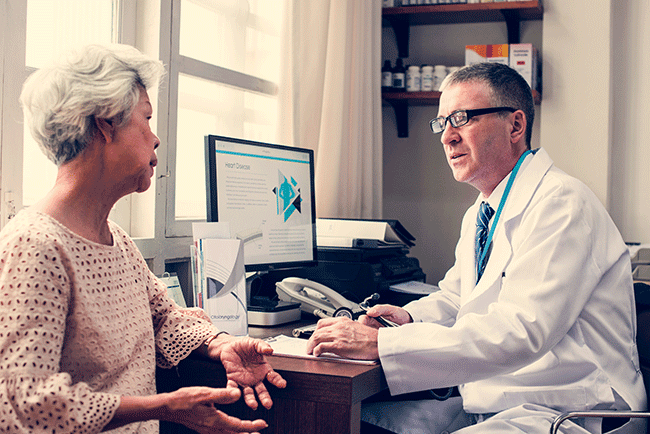
Different antibiotics require different protocols for how or when to take them. For example, some may work most effectively and safely when taken with food; others may need to be taken on an empty stomach and only with water.
Also, let your doctor know what other medications you take to avoid possible interactions. For example, antibiotics can reduce the effectiveness of birth control pills. So make sure to read the labels, ask questions, and follow directions carefully.
That includes finishing the entire course of treatment — yes, even if you start feeling better, which typically happens after a few days. Stopping medication mid-treatment or skipping pills could cause bacteria to become resistant and might lead you to get sick again or be sicker, longer. Bacteria turn over a generation every 30 minutes, so they can quickly adapt, Dr. Rawls says. Following the directed usage exactly is crucial.
Antibiotics are a pretty amazing medical discovery, and they can offer life-saving benefits. But like most things in life, they’re not perfect, and they’re not without consequences. Use the tips above, and you can sidestep a lot of the unwanted side effects. And as always, don’t forget to consult with your doctor about anything involving medications you might be taking.

Discover more in Dr. Bill Rawls' new #1 Bestselling book: The Cellular Wellness Solution: Tap Into Your Full Health Potential with the Science-Backed Power of Herbs.
"An eye-opening and empowering book that the world needs right now: The Cellular Wellness Solution will fundamentally change how you think about herbs and the powerful role they play in cultivating wellness at the cellular level."


Mark Hyman, MD
Fourteen-time #1 New York Times Bestselling Author
Looking for More Wellness Tips?
Join our newsletter for bi-weekly tools, education, and savings to boost your health.
References
1. Zhang, Want et. al. “Association between dietary habits and recurrent respiratory infection in children: A case-control study.” Journal of Traditional Chinese Medical Sciences. (2015) 2, 105-110.
2. Hanson, Corinne et. al. “The Relationship between Dietary Fiber Intake and Lung Function in the National Health and Nutrition Examination Surveys.” Annals of the American Thoracic Society. Vol 13, No 5, pp 643–650, May 2016.
3. Bailey, David G. et. al. “Grapefruit-medication interactions: Forbidden fruit or avoidable consequences?” CMAJ 2012; November 26.
4. UPMC Urgent Care. 2016, January 8. “How to reduce the side effects of antibiotics.” UPMC Health Beat.
5. LeWine M.D., Howard. 2012, May 9. “Probiotics may help prevent diarrhea due to antibiotic use.” Harvard Health Blog, Harvard Health Publishing, Harvard Medical School.
6. Li, Guoliang et. al. “Fresh Garlic Extract Enhances the Antimicrobial Activities of Antibiotics on Resistant Strains in Vitro.” Jundishapur Journal of Microbiology. 2015 May; 8(5): e14814.
7. Mahomoodally, F. et. al. “Onion and Garlic Extracts Potentiate the Efficacy of Conventional Antibiotics against Standard and Clinical Bacterial Isolates.” Current Topics in Medicinal Chemistry. 2018;18(9):787-796.
8. Bhardwaj M., et. al. “Potential of Herbal Drug and Antibiotic Combination Therapy: A New Approach to Treat Multidrug Resistant Bacteria.” Pharmaceutica Analytica Acta. 2016, 7:523.
9. Hempel, S., et. al. “Probiotics for the prevention and treatment of antibiotic-associated diarrhea: a systematic review and meta-analysis.” JAMA. 2012 May 9;307(18):1959-69.
10. Hickson, M., et. al. “Use of probiotic Lactobacillus preparation to prevent diarrhoea associated with antibiotics: randomised double blind placebo controlled trial.” BMJ. 2007 Jul 14;335(7610):80
11. Tomkins, TA, et. al. “The impact of meals on a probiotic during transit through a model of the human upper gastrointestinal tract.” Beneficial Microbes. 2011 Dec 1;2(4):295-303.
12. APUA, Alliance for the Prudent Use of Antibiotics. “General Background: When & How to take Antibiotics.”
13. Palleja, Albert, et. al. “Recovery of gut microbiota of healthy adults following antibiotic exposure.” Nature Microbiology. Oct 22; 1255–1265 (2018).
14. Zhang, Wang et. al. “Association between dietary habits and recurrent respiratory infection in children: A case-control study.” Journal of Traditional Chinese Medical Sciences. (2015) 2, 105-110.
15. Myles, Ian A. “Fast food fever: Reviewing the impacts of the Western diet on immunity.” Nutrition Journal. 2014, 13:61